
Municipal Court Warrants in Aitkin County
Around here, "municipal court warrant" means a warrant out of a city court. Aitkin County has no such court of its own. One district court handles everything instead. The Minnesota Judicial Branch gives the Aitkin County District Court original jurisdiction over civil, family, probate, juvenile, criminal, and traffic cases filed here. City ordinance cases still exist. So do traffic citations. Either one can end in a warrant. The case simply lands in the district court system rather than a city tribunal, which is why hunting for a city warrant portal wastes an afternoon. The Ninth Judicial District page shows the district that includes Aitkin County.
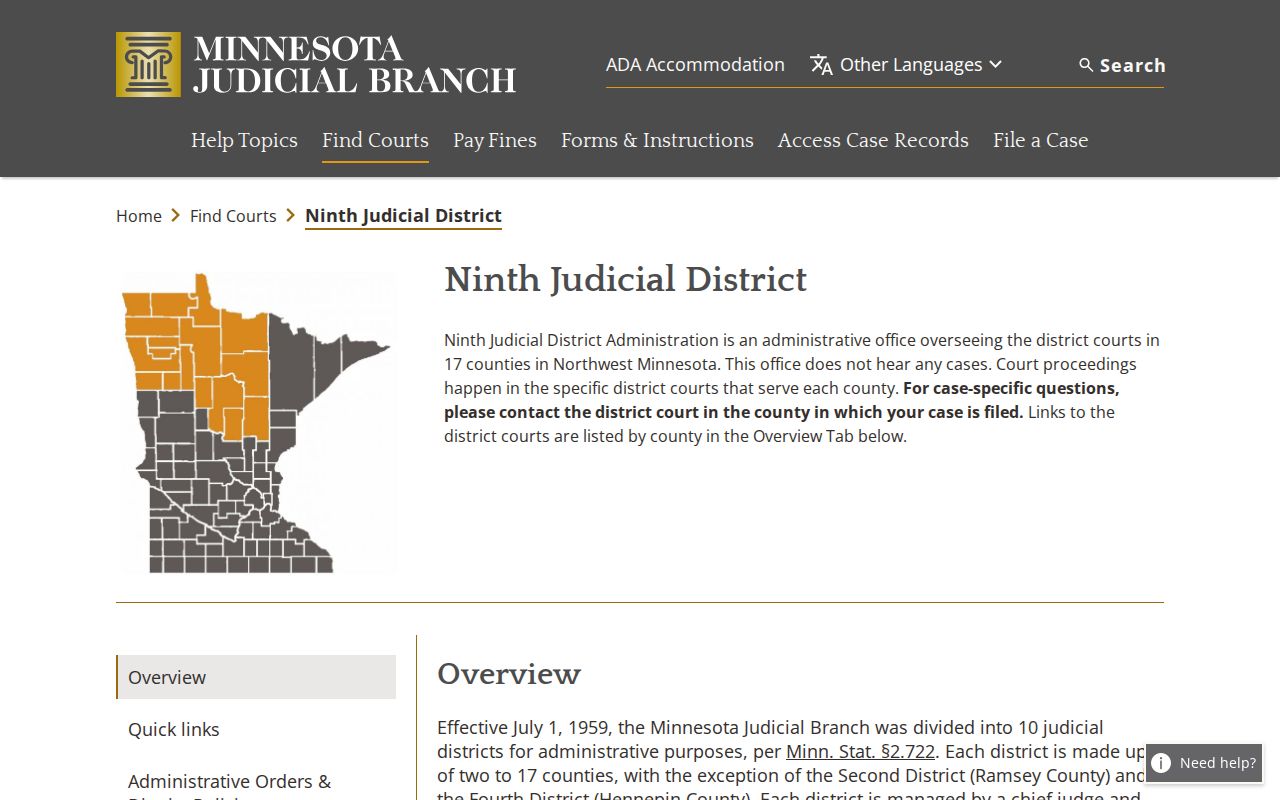
Aitkin County sits among 17 counties in the district. District administration handles paperwork, not cases or warrants.
Note: A city ticket is not automatically a city court case, so ask the court which case number belongs to the citation.
Why No Aitkin Municipal Warrant Portal Exists
No city here publishes an online warrant lookup. The same goes for a separate municipal warrant roster. Aitkin County never needed one, because a single district court holds every criminal and traffic case. That structure explains the gap. A city ticket still shows up somewhere. Payable tickets run through the state payment system. Everything else sits in the district court's case records. A missing city portal is not a missing warrant. The record just lives one level up.
Which Cities Have Municipal Courts
None of the six incorporated cities in Aitkin County runs its own court. The table below shows what each one has and where its citation goes.
| City | Local police | Municipal court | Where the case goes |
|---|---|---|---|
| Aitkin | Yes, 109 1st Avenue NW | None separate | Aitkin County District Court |
| Hill City | Yes, dispatched by the county | None separate | Aitkin County District Court |
| McGregor | Yes, dispatched by the county | None separate | Aitkin County District Court |
| Palisade | Not in the county's named list | None separate | Sheriff and district court route |
| Tamarack | Not in the county's named list | None separate | Sheriff and district court route |
Note: The county's own planning material names Aitkin, McGregor, and Hill City police departments, so confirm any current arrangement for the other two cities.
Aitkin City Ordinance Cases and County Warrants
A 2021 agreement between the city and the county sorts out where city cases get prosecuted. Under it, the Aitkin County Attorney prosecutes statutory gross misdemeanors, misdemeanors, petty misdemeanors, criminal municipal ordinances, and municipal traffic and parking violations for the City of Aitkin. The office also reviews and prepares search warrants for the city. Prosecution is not the court. It is not the warrant desk. The attorney brings the case, the district court judges it, and Court Administration keeps the record. Warrant questions go back to the court. Call Court Administration instead. The Aitkin County Court Administration page describes that office, the one holding the case records for Aitkin County warrants.
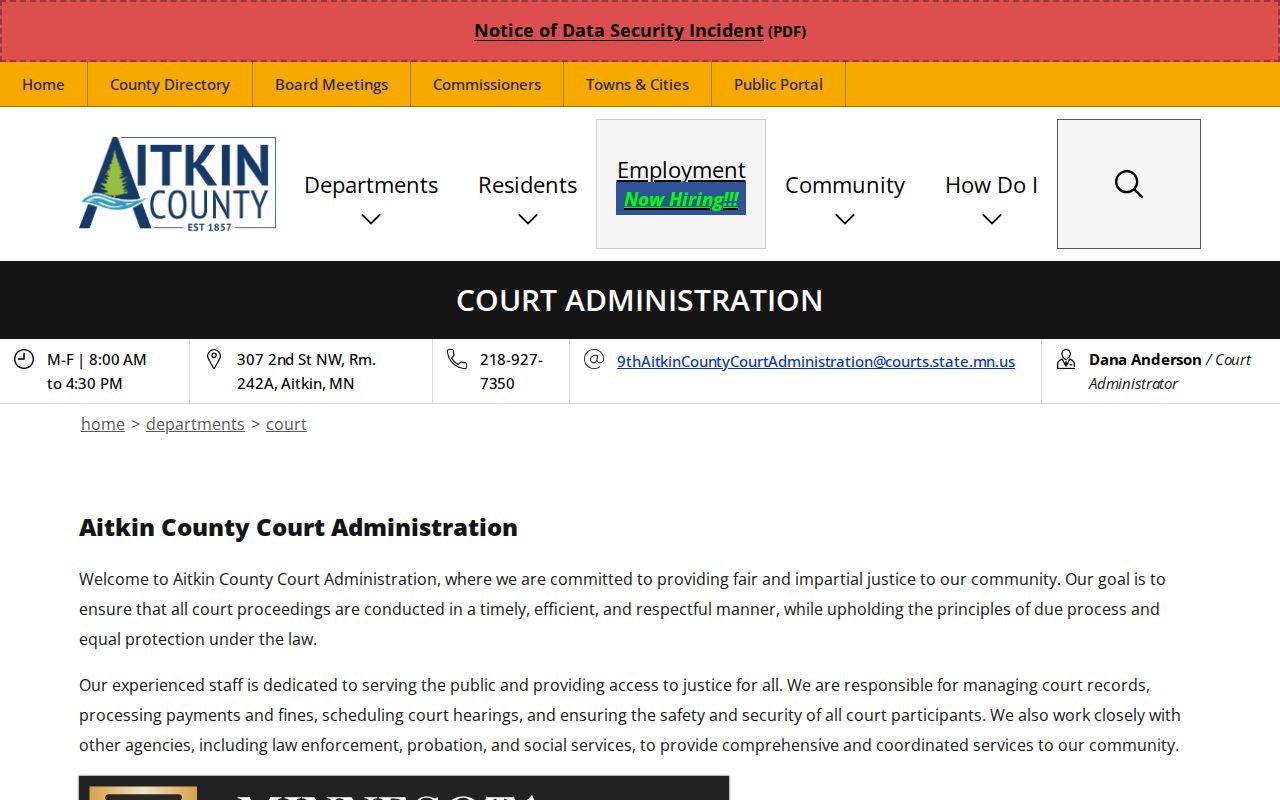
City notices, citations, and hearing papers all point back to this office.
How to Check a Municipal Court Warrant
The record lives with the district court, so the check runs through court channels. Use the citation number for a payable ticket in Aitkin County and the case number for everything else.
- Read the citation number from the ticket and search it in the Minnesota Court Records Online case search, filtered to Aitkin County.
- Search the same number in the state court payment system if the citation is payable.
- Read the Case Information and Register of Actions for a warrant entry or an active-warrant flag.
- Call Court Administration at 218-927-7350 and ask whether a warrant is active and what type it is.
- Call dispatch at 218-927-7400 after hours for the current county warrant channel.
Aitkin City Citations and County Warrant Records
Two offices touch one city ticket in Aitkin County, and each holds a different piece. The police department keeps the incident report. The district court keeps the citation case, the payment record, and any warrant that follows. A police records request never shows a warrant status. A court request will not return the officer's report either. Ask both, and save yourself a second trip.
What a Municipal Court Warrant Shows
A city case record in Aitkin County looks like any other district court record, because that is exactly what it is.
| Citation number | The number from the city ticket, shown in the VB form when the case is payable. |
|---|---|
| Case number | The district court file number assigned after the citation is filed. |
| Ordinance or offense | The city ordinance, traffic, or parking violation charged. |
| Issuing court | Aitkin County District Court, not a city court. |
| Status | Open, payable, scheduled, or warrant, with the case events. |
Aitkin, McGregor, and Hill City Warrant Dispatch
Three city police departments share one dispatch desk with the Aitkin County sheriff. The Aitkin County Communications Center takes every 911 call. It sends deputies plus the Aitkin, Hill City, and McGregor police. It also coordinates 11 fire departments, six ambulance services, and seven first-responder groups.
One dispatch desk serves all of them. In Aitkin County, that means 218-927-7400 reaches every city police agency and the sheriff after hours, no matter which city wrote the ticket.
Resolving a Municipal Court Warrant
Resolution runs the same track as any district court warrant. Confirm the type first. Then ask what the court expects. Confirm the location before traveling. No city in Aitkin County posts a walk-in surrender schedule or a bond table.
Note: A city clerk cannot recall a district court warrant, and only the issuing court can change its status.
If the Aitkin County ordinance case is payable, ask about the payment plan and the hardship route before you pay. Paying is a guilty plea for that citation. It does not always close a warrant. Minnesota Statutes Chapter 609 holds the criminal code behind many of these cases, including failure to appear.
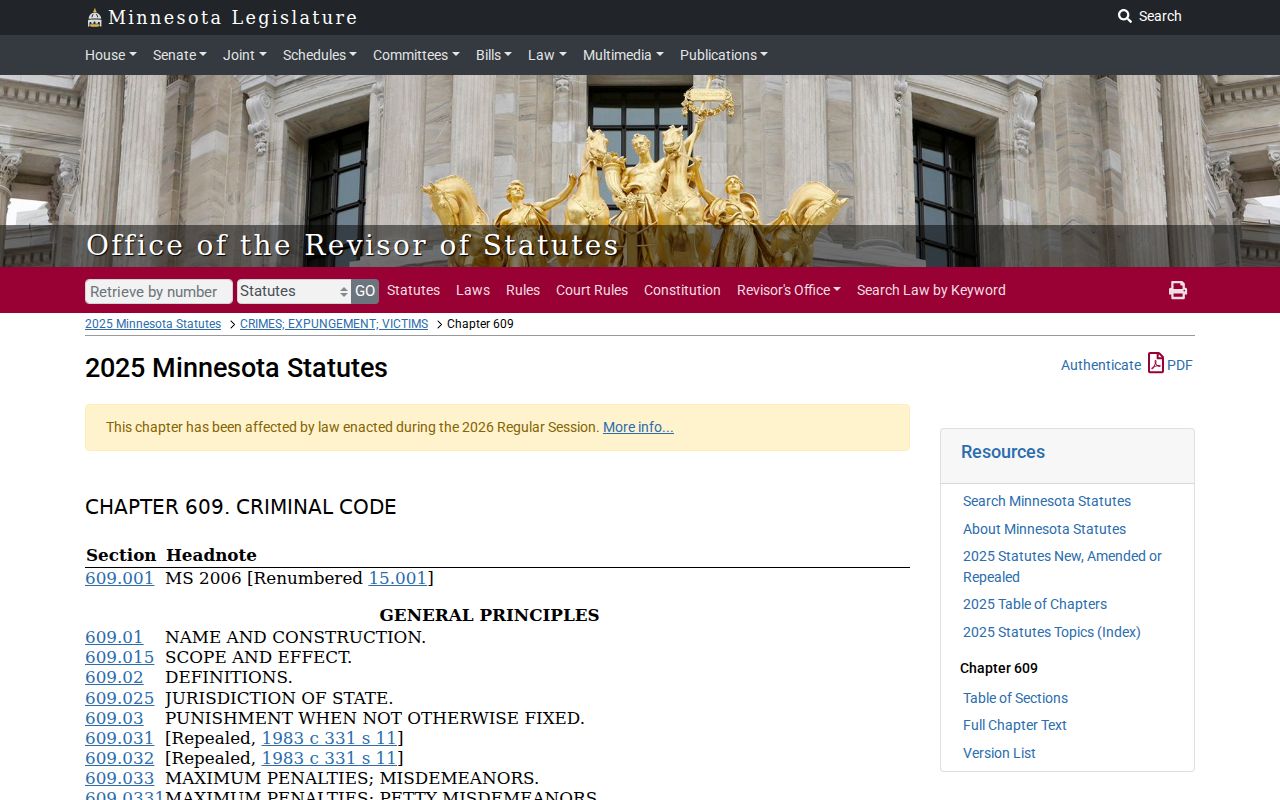
A lawyer would reach for it first. Any Aitkin County reader can use it to decode the vocabulary on a court notice.
McGrath and Palisade Aitkin Warrant Routes
McGrath and Palisade sit inside Aitkin County, yet neither city shows up on the dated county list of city police departments. That gap tells you where to look, not that no local arrangement exists. A resident of either town holding a citation should call the city clerk first and ask which agency issued the notice. From that answer, the county channels take over. Court Administration confirms the case record. Dispatch covers the after-hours channel. The sheriff's records desk handles existing county records, and the courthouse and the sheriff's office sit at separate addresses, so confirm the right building before you drive.
Aitkin Clerk or Court on Warrants
A city clerk in Aitkin County is a local government contact, not a judge. The clerk can tell you where a city notice originated, route a city records request, and explain local ordinances, but cannot confirm a district court warrant, change its status, or certify a court record. Court Administration does the opposite work. It reads the case file, reports the hearing schedule, and explains what the court requires next. Send the city question to the city and the court question to the court.
Aitkin City Warrant Records by Data Request
Cities and Aitkin County keep separate data policies, so who holds the record decides who the custodian is. A police report belongs to the city and follows its policy. Sheriff service records follow the county policy and its responsible authority. Whatever you file should describe existing data and ask for inspection, copies, or both. No agency has to build a new warrant list or merge records across offices. Court records run differently again, through Court Administration and certified copies. The curated most wanted page is not a substitute for any of those channels.
Note: The police chief serves as the city's data-practices designee for law-enforcement data, and the city administrator is the responsible authority.